Welmoed Wagenaar
Heritage, Religion, and... Fantasy?
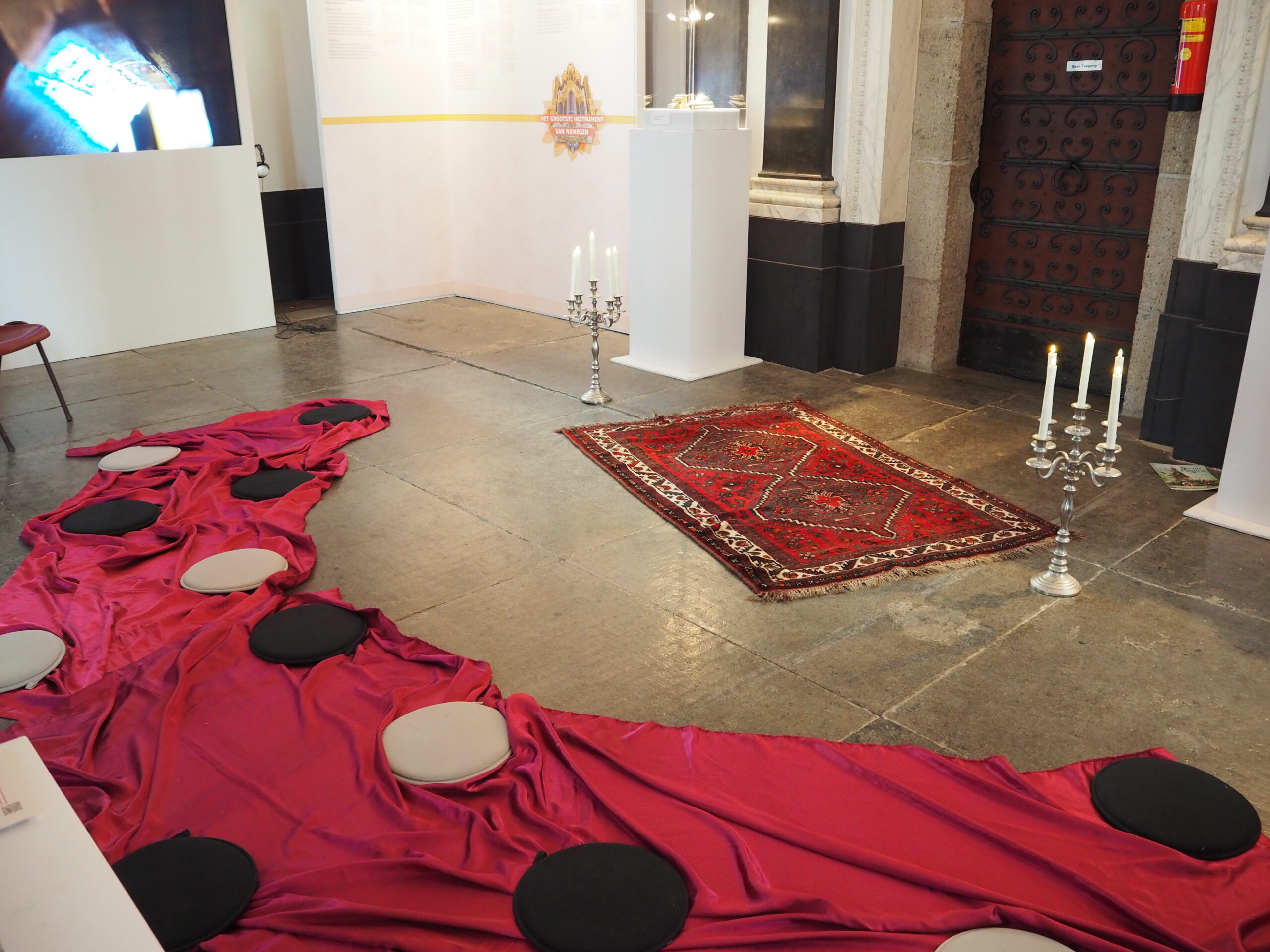
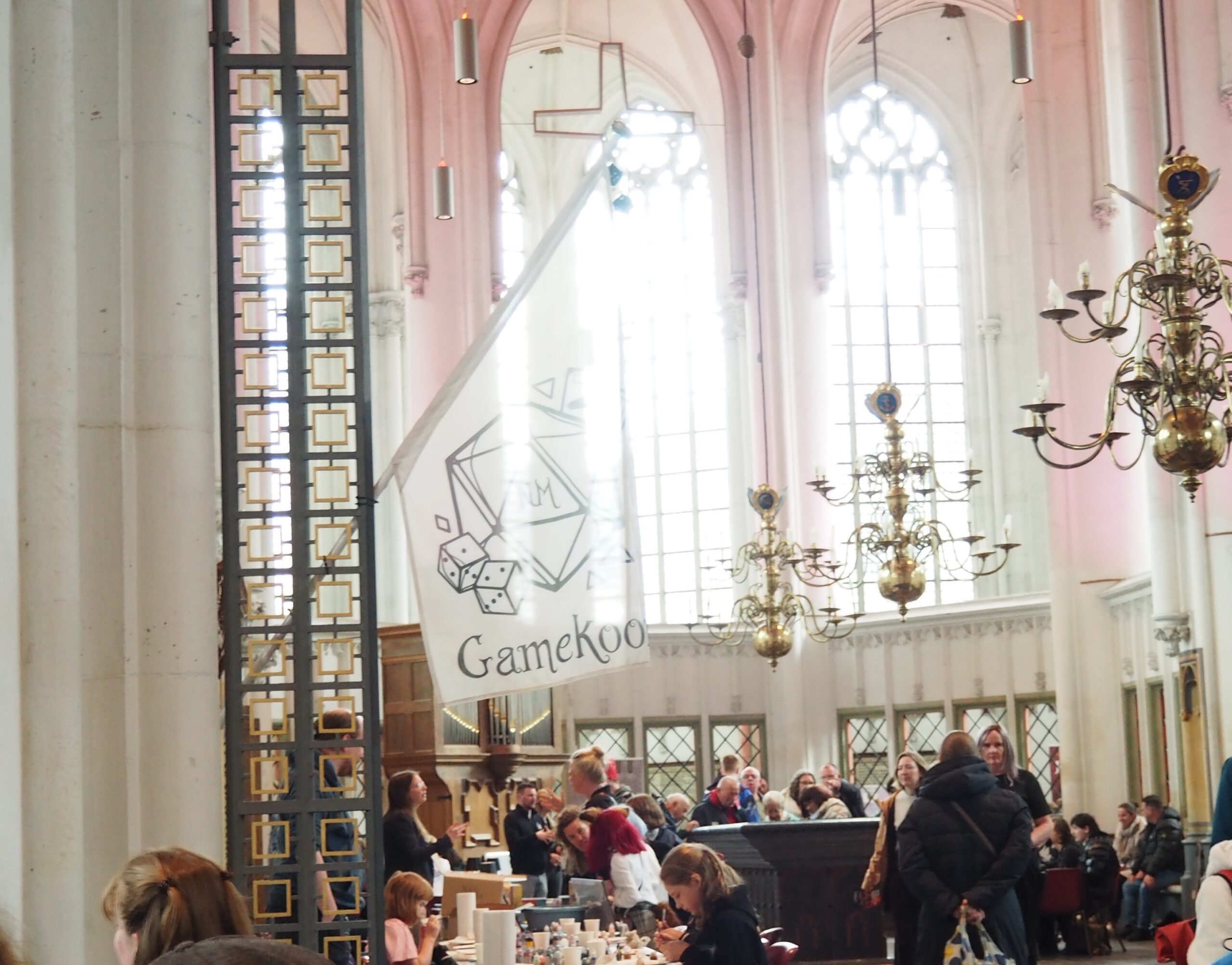
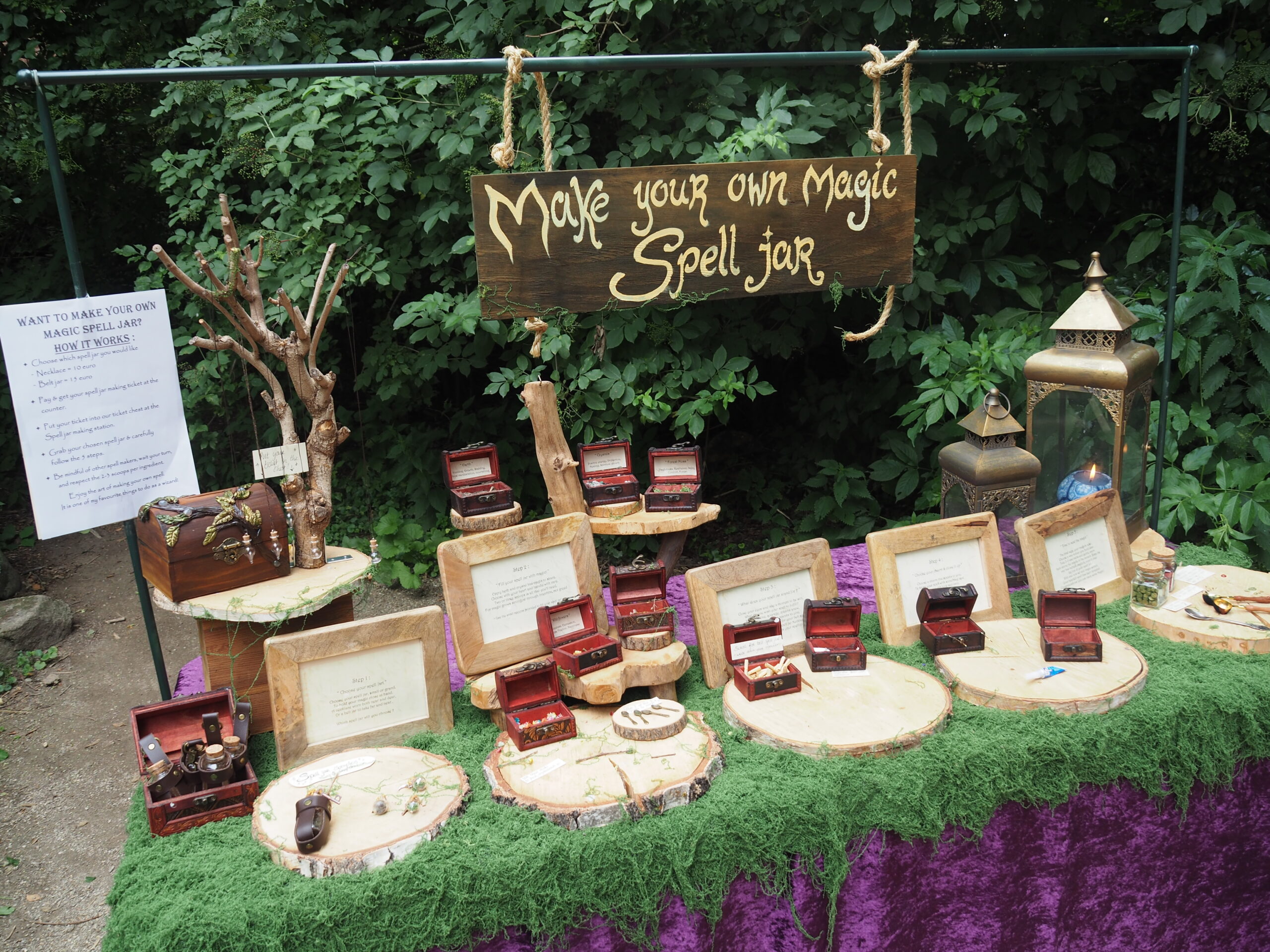
May 14, 2026. Ascension Day. I am sitting on a chair in the middle of the Stevenskerk in Nijmegen, but I am not attending a church service. Like so many churches in the Netherlands, the building has been repurposed as an event venue. And today, it shows. A large part of the audience is wearing medieval-looking tunics and cloaks, has put on striking makeup and elven ears, or displays wings, antlers, or a fur tail. Lined up along the walls are market stalls where you can buy books, art prints, handmade accessories, and baked goods. Various spots in the church are decorated with cushions, allowing you to sit down and ‘taste books’ or listen to a storyteller. The choir – where the altar is normally located – has been renamed the ‘Game Choir’: you can buy board games, paint Warhammer miniatures, or play short Dungeons & Dragons sessions. Outside the church, there are even more market stalls, and elsewhere in the city you can also attend lectures, workshops and other activities. This is fantasy festival Novio Magica, its name derived from what Nijmegen was called when it was part of the Roman Empire: Noviomagus.
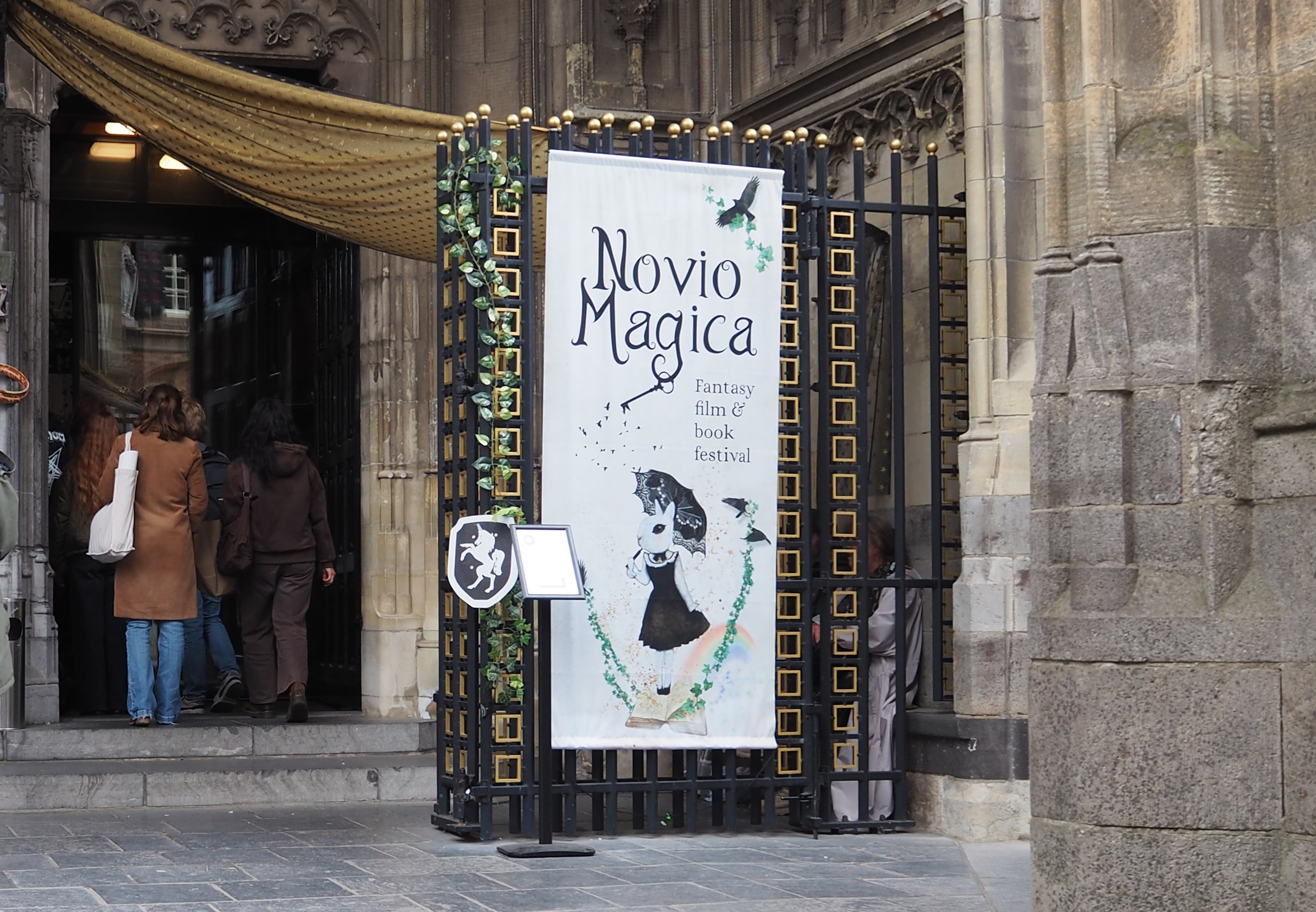
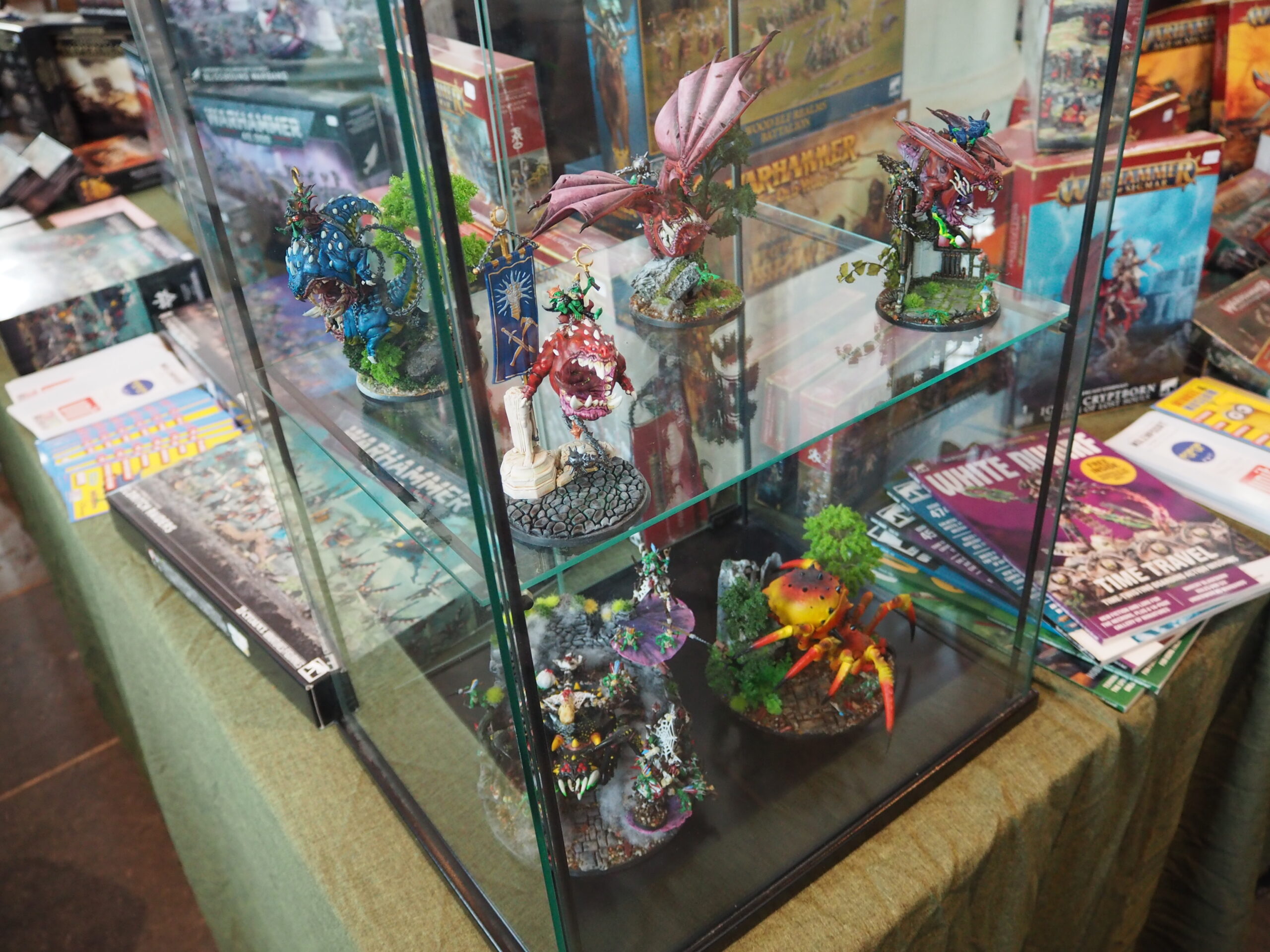
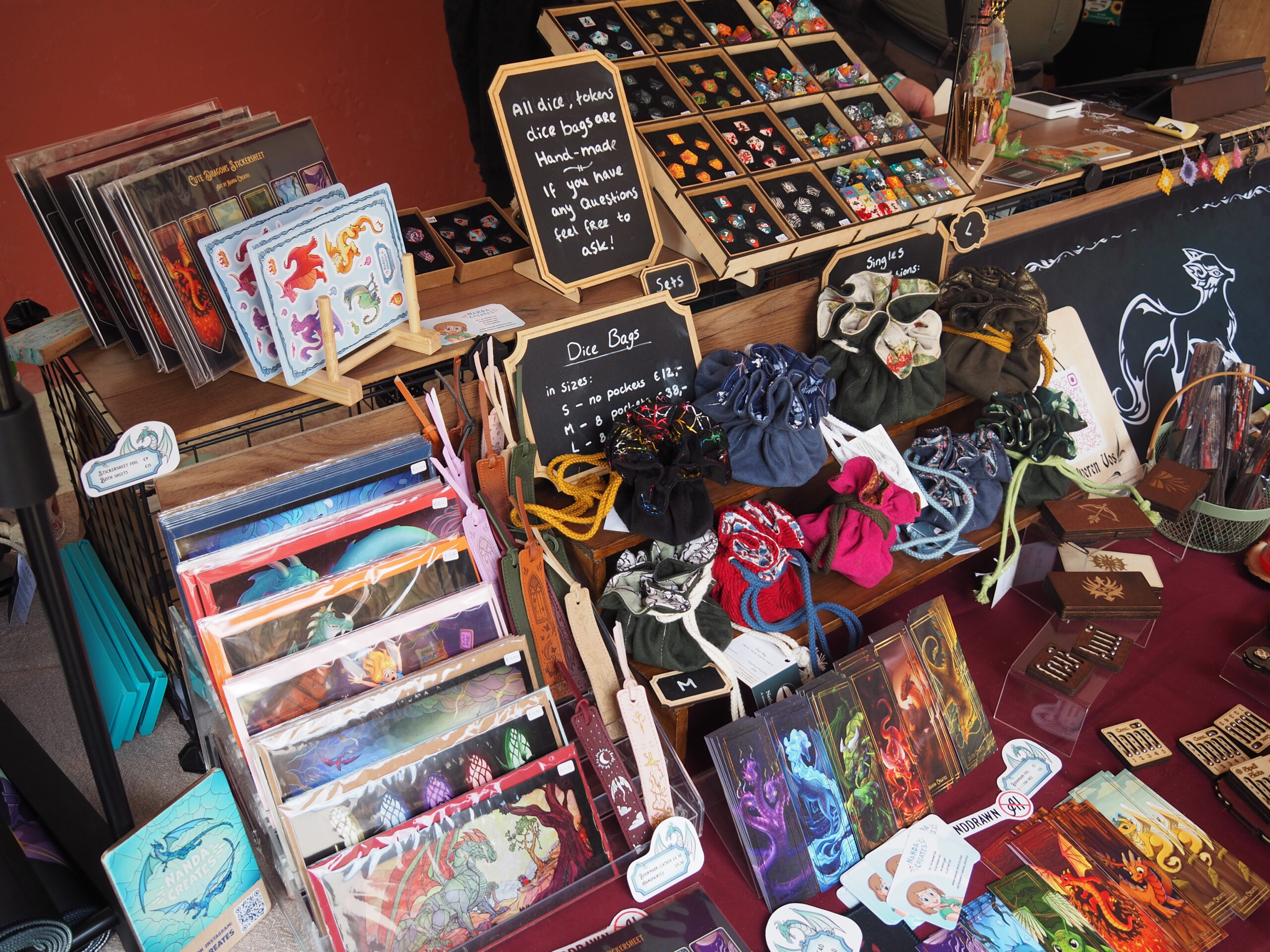
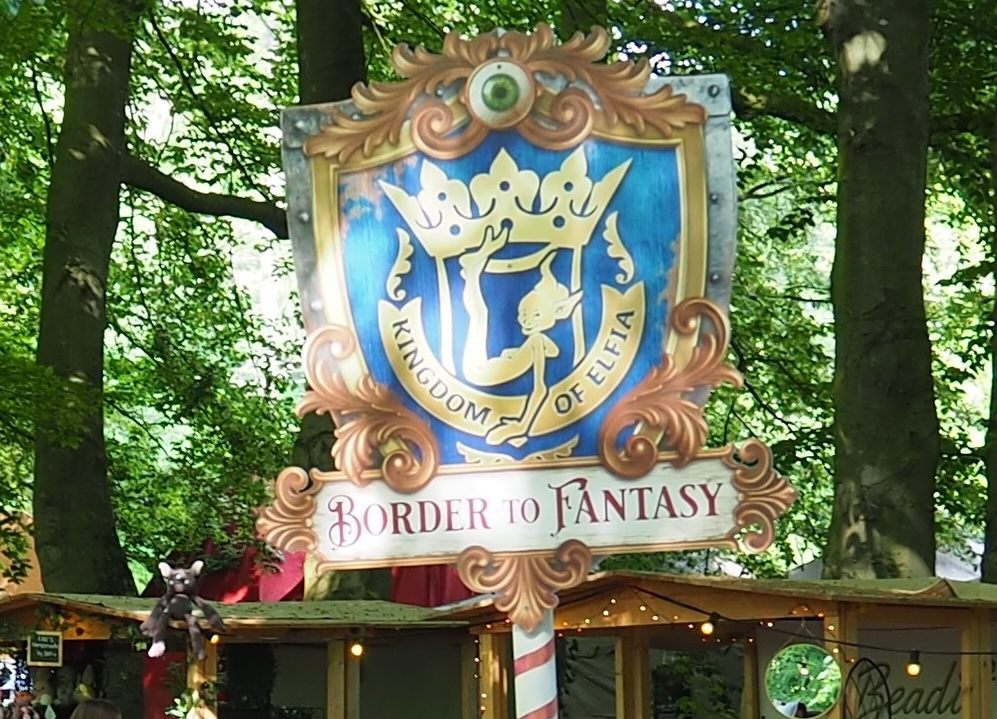
Fantasy festivals and -fairs are immensely popular. On websites such as DagjeWeg.NL and GeekAgenda you can find so many that, from roughly April to October, you could attend one almost every weekend. There is Novio Magica, centered around the Stevenskerk, but there is also Elfia at the castles of Vorden (previously De Haar) and Arcen, Castlefest at Keukenhof Castle, Magisch Samhain in the fortified town of Bourtange, and the Midwinter and Midsummer fairs of open-air museum Archeon, where ‘fantasy and history come together’.
It is a fitting slogan. Because what the list above demonstrates is that fantasy festivals are surprisingly often held at heritage sites such as museum parks, fortified towns, and historic landmarks. At such places and during such events, history, religion, and popular culture seem to be almost self-evidently intertwined. For us in the MAKEBELIEF project, this raises questions. Why would a museum park like Archeon – which, according to a sign at its entrance, is ‘an idealistic institution, not focused on making a profit, but entirely dedicated to society and the preservation of cultural heritage’ – choose to organize a fantasy fair? Why would a repurposed church building – typically a venue that is rather selective about the kinds of events it permits – be willing to host a fantasy festival?
‘Everything Begins with Imagination’
Back to the Stevenskerk. My chair is positioned next to a temporary catwalk. Later that afternoon, it will be the stage for the Cosplay Catwalk, a costume competition in which people pose as fictional characters before a jury and an enthusiastic audience. As I listen to the music coming from the organ (I recognize soundtracks from the films How to Train Your Dragon, Twilight, and The Lord of the Rings), the seats around me start to fill for the opening sermon.
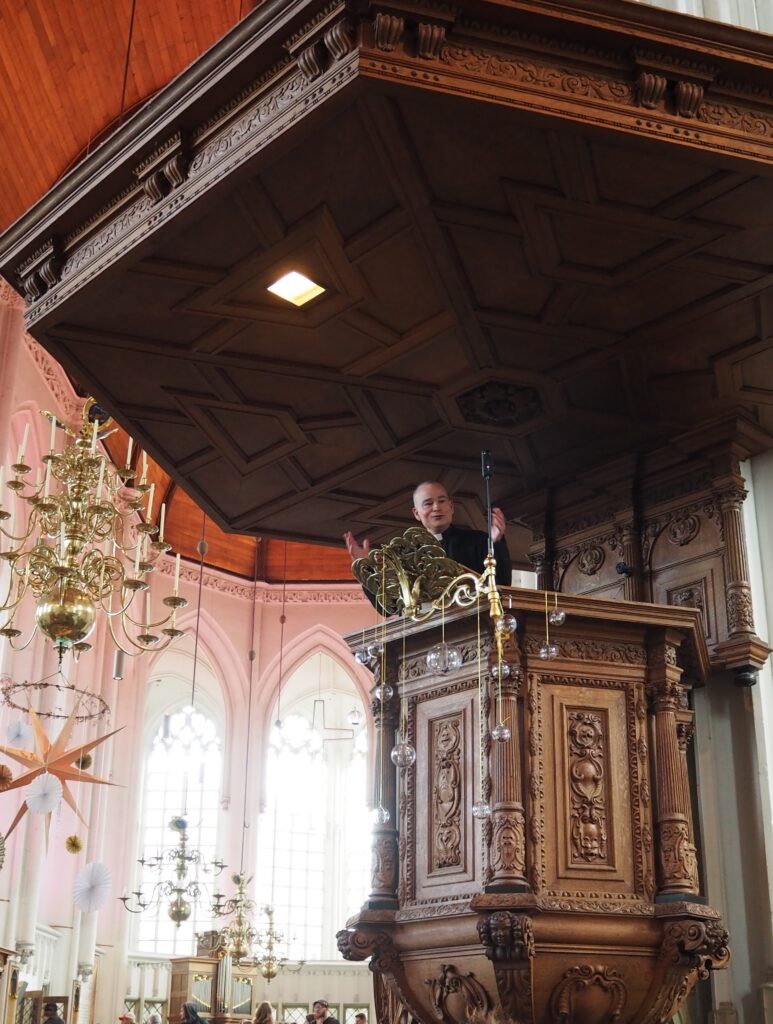
Yes, you read that correctly: the opening sermon. From the pulpit, the festival is opened by Roderick Vonhögen, known on social media as Father Roderick. He is a Catholic priest and, as he emphasizes a little later, a big fantasy and science fiction fan. For him, his identity as a priest and a fan go hand in hand because: ‘Everything begins with imagination. Every cathedral, every spaceship, every work of art, every story, every invention once began as an idea in the mind of someone who dared to dream of something that did not yet exist.’[1] It fits nicely with the motto of the festival this year, which is a play on the opening words of the Bible Book of Genesis: ‘In the beginning there was imagination.’
It offers a clue as to what connects these places and events: imagination. Or, to be more precise, our ability to imagine worlds that are different from the here and now, and to immerse ourselves – or to let ourselves be immersed – in them.[2]
How Fans Experience Imaginary Worlds
In the case of fantasy fans, this is not so far-fetched. In today’s media landscape, we encounter countless of books, films, series, and games that depict worlds that come to life beyond the boundares of a single medium. Academics call this transmedia. The continents of Middle-earth and Westeros, the galaxies of Star Wars, Star Trek or Dune, the Wizarding World of Harry Potter – they all have their own rules, histories, geographies, moralities, and characters. These building blocks can make an imaginary world feel real and create an environment where multiple stories can unfold.
Fans happily let themselves be drawn into these imaginary worlds. Through fan practices such as discussions on online forums, fan wikis, and fan-made artworks and written stories (fanart and fanfiction), fictional worlds keep expanding and are brought to life. Buying and using merchandise and doing cosplay – short for costume play, a playful practice where people dress up as fictional characters in self-made or carefully assembled costumes – are other ways in which an imaginary world can become part of fans’ everyday life or be made their own. These fictional characters may originate from an existing franchise, or they may be original characters created by fans themselves.
Cosplay at Festivals
For many visitors of fantasy festivals, cosplay is an important part of the experience. Not only is it fun to admire and recognize other people’s costumes, alongside the live music it also contributes to the atmosphere (everyone is dressed up!) and makes it easy to strike up conversations and get to know new people. For example, you can immediately spot fellow festivalgoers while on public transport.
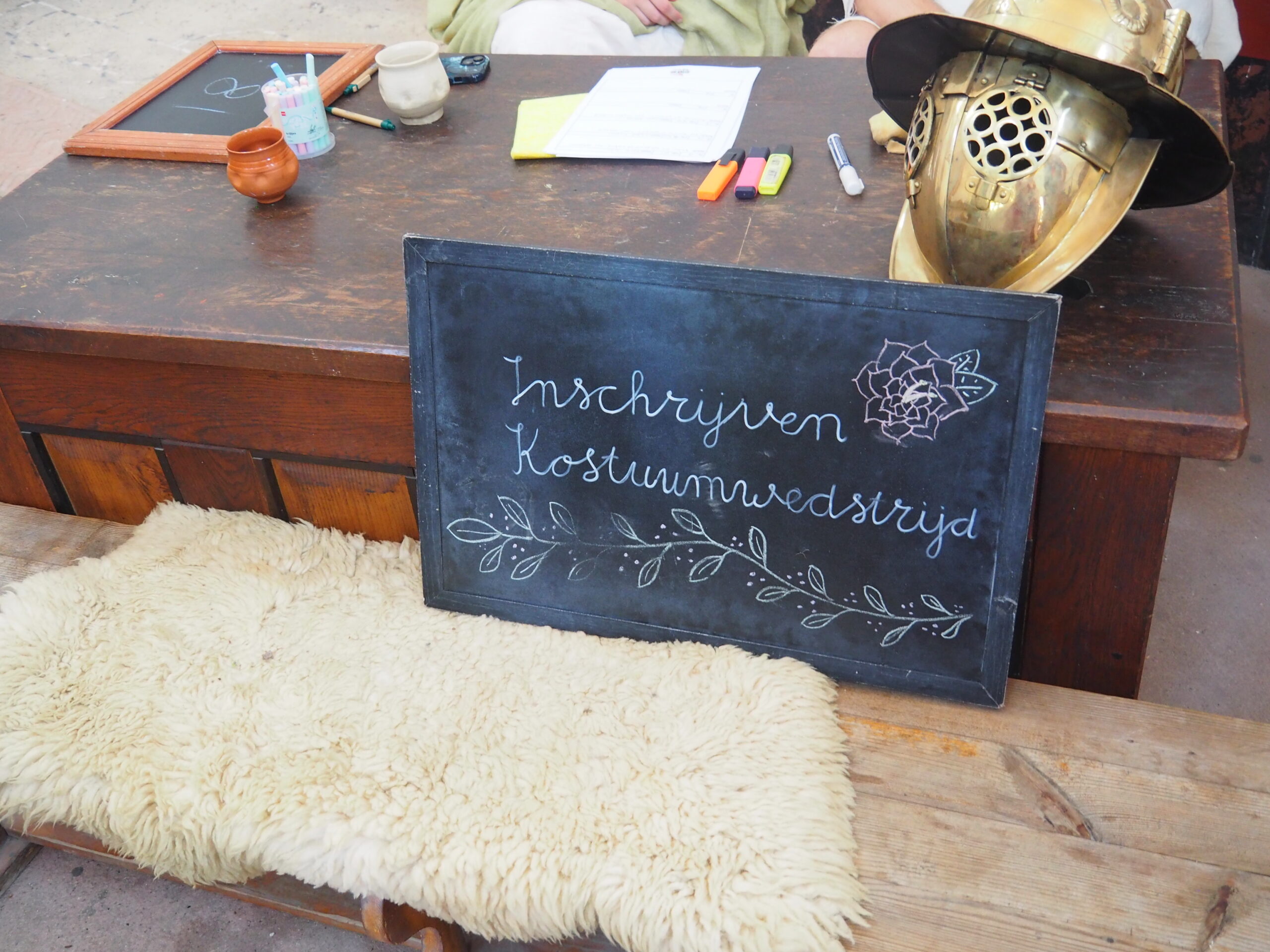
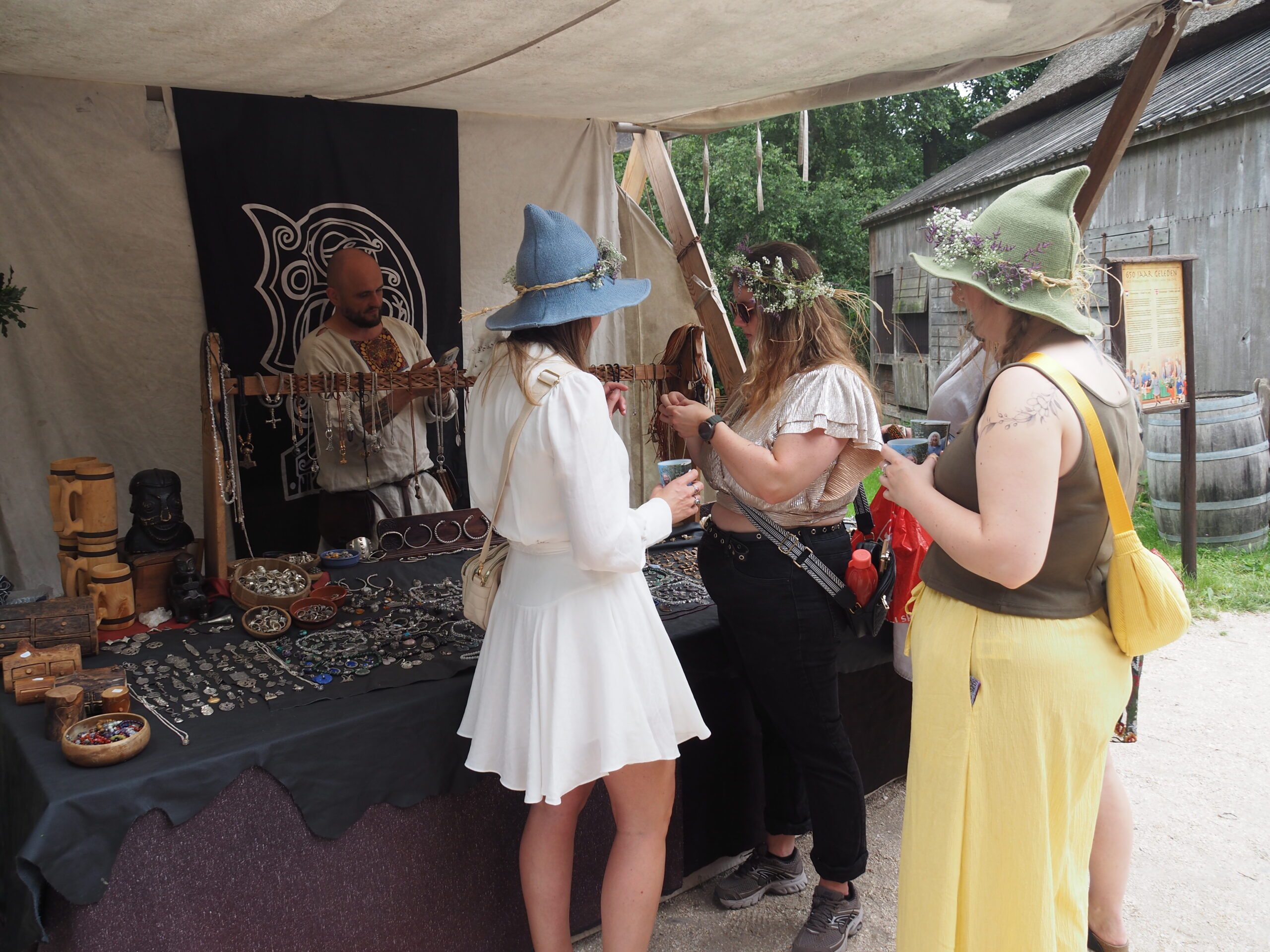
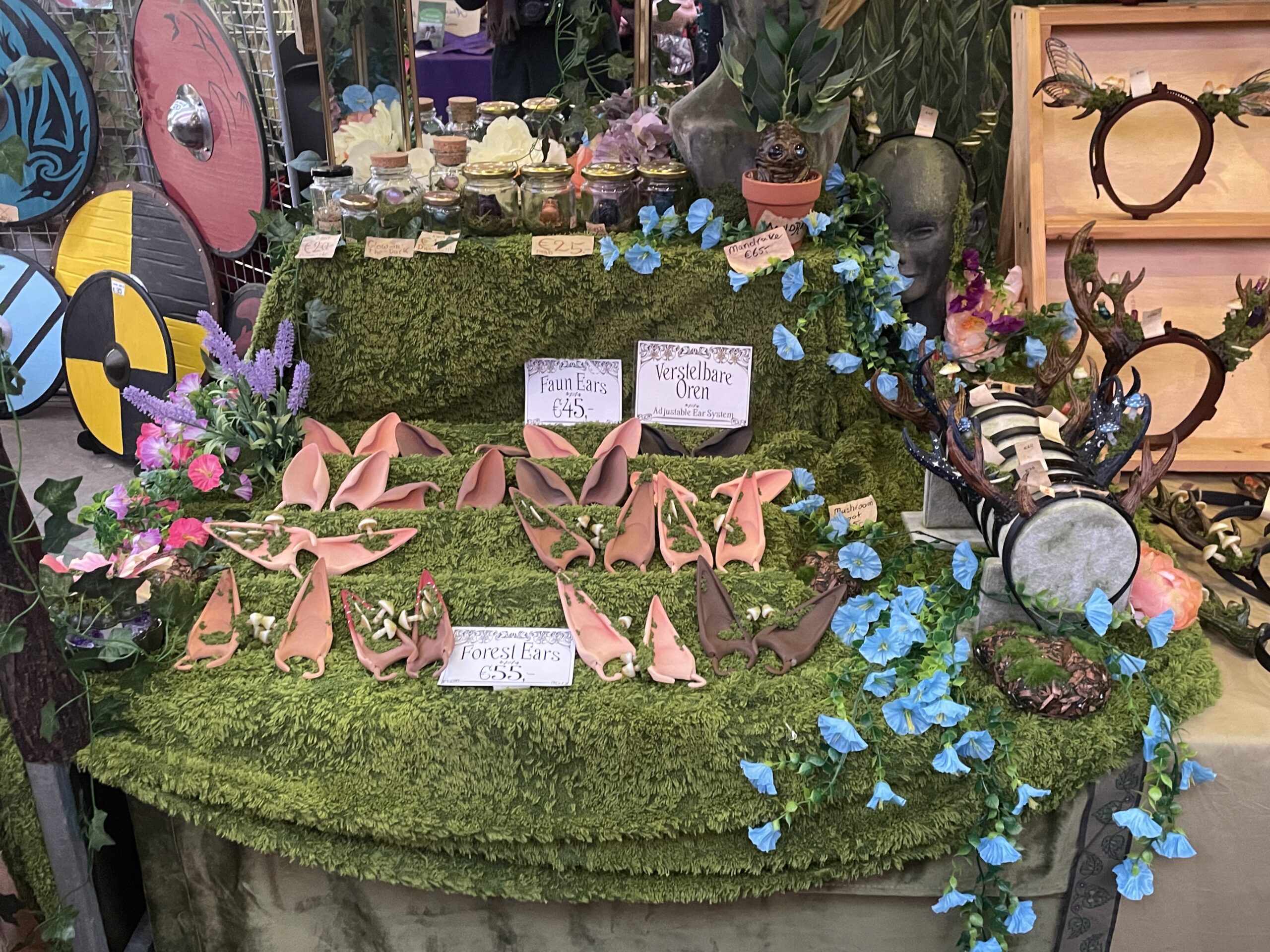
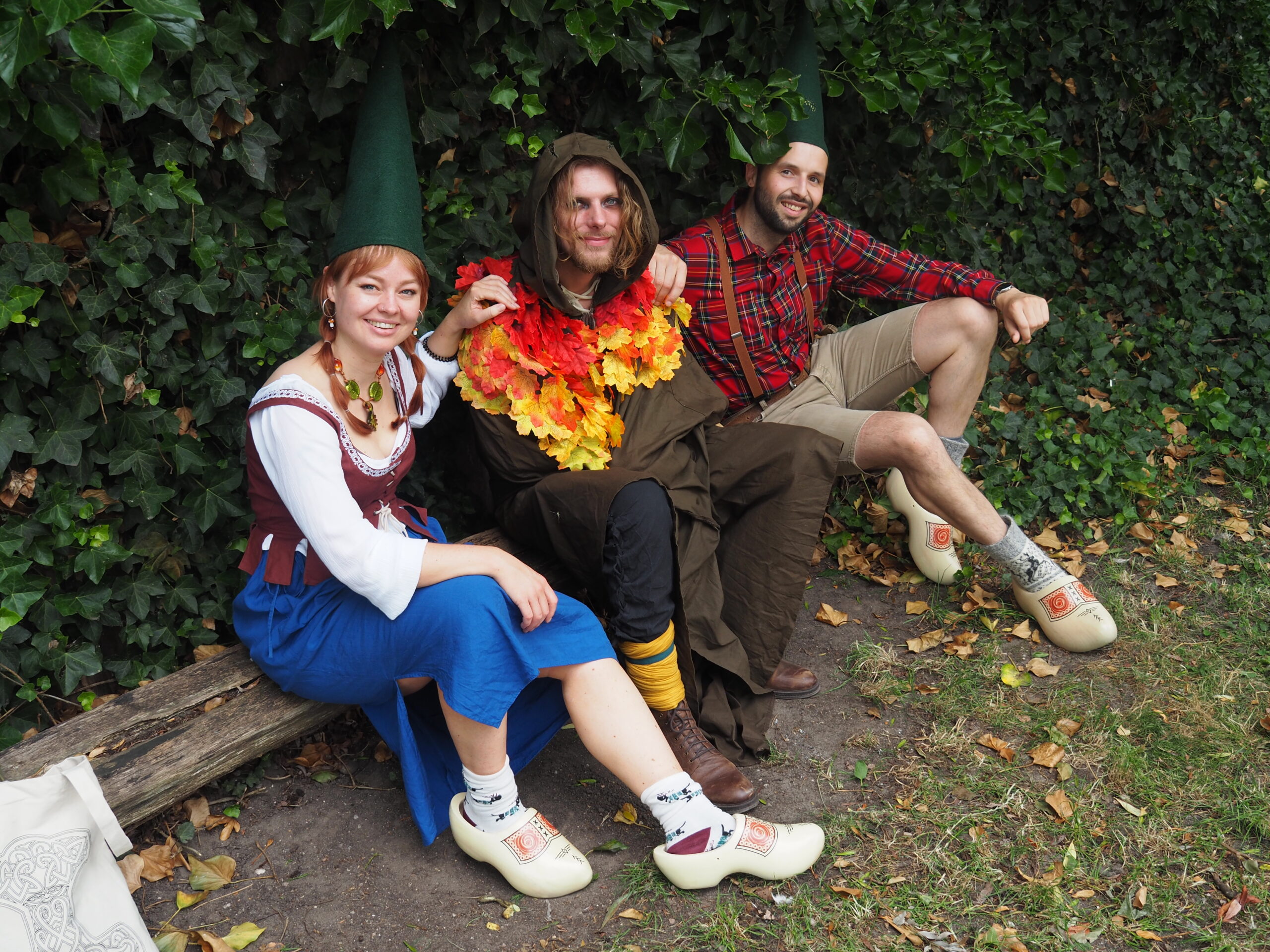
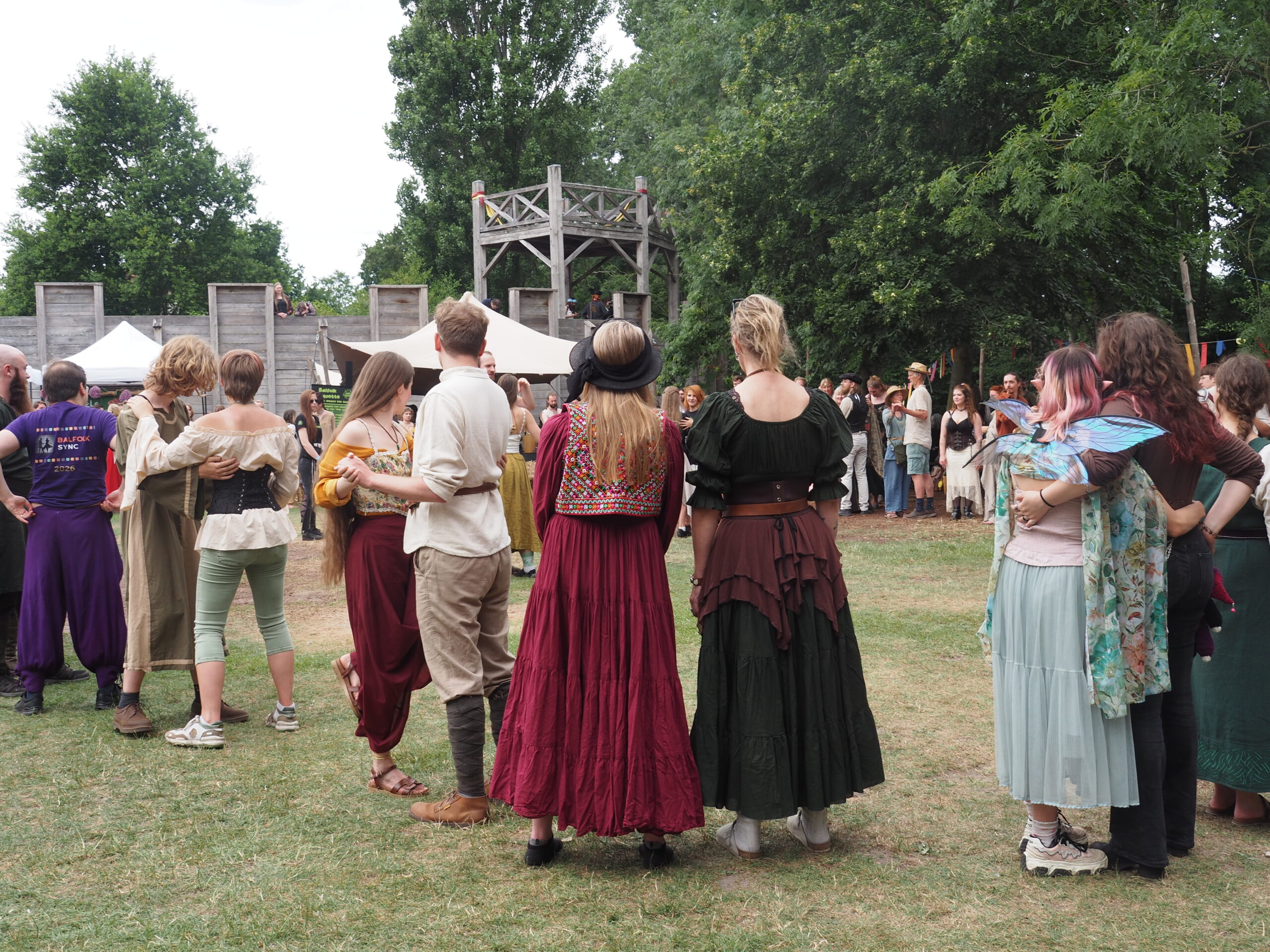
In addition, cosplay is part of what fan studies scholar Rebecca Williams calls anticipatory labour, where the experience begins long before the event itself. After all, you have to decide on a character to play, make or acquire clothing and accessories, and need to get up in time to put on your costume and apply makeup. Religious characters such as monks, nuns, and priests are also part of the mix. In his opening sermon, Father Roderick recounted how someone at the fantasy festival Elfia complimented him on his ‘costume’. Supposedly, there was even a real priest attending!
The Immersive Turn in Heritage Contexts
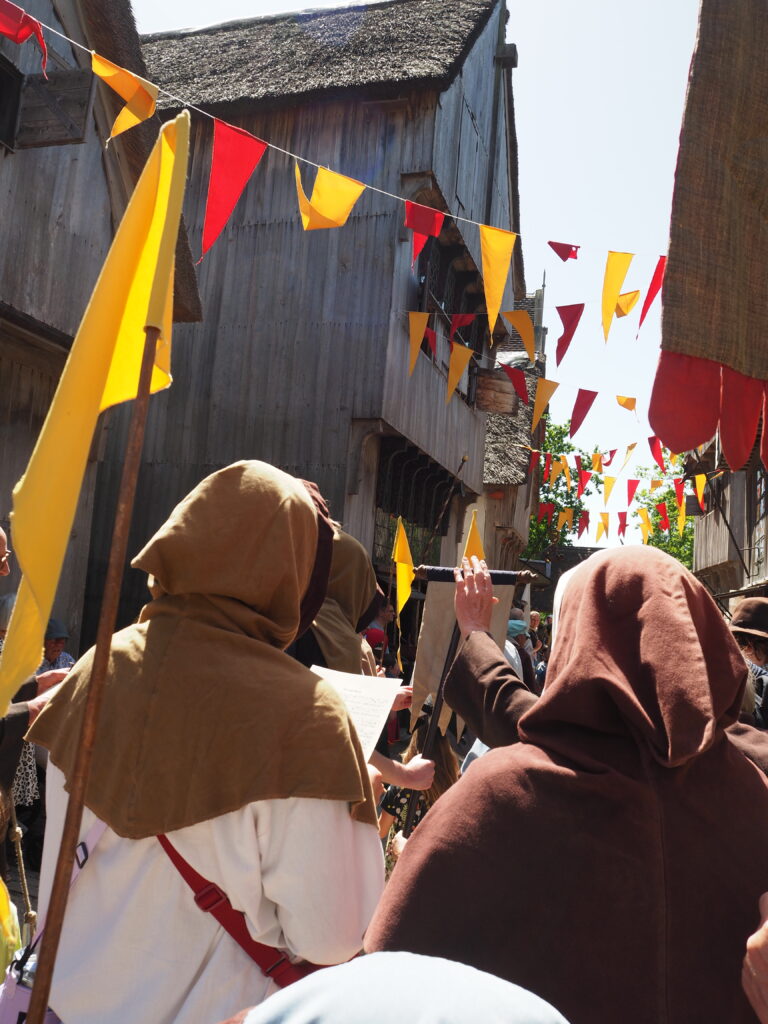
Building and imagining a world that differs from everyday life is something heritage sites increasingly do as well. Take museum park Archeon. In this open-air museum, visitors ‘step into the middle of history,’ according to the website, to ‘discover how it used to be.’ The park consists of reconstructions of buildings and household goods from prehistoric to medieval times. So-called ‘Archeotolks’, dressed in period-appropriate clothing, portray the inhabitants of these historical settlements, working various crafts and educating curious visitors about their life in the villages. It is not a museum where you quietly observe objects behind glass (indeed, most museums no longer function that way, see our blog post on the participatory museum), it rather invites visitors to immerse themselves in worlds of the past. You can practice sword fighting, bake bread over an open fire, exercise as a Roman legionary in full uniform, and join in on religious processions, singing along while wearing a medieval hood.
You could argue that for decades, open-air museums have been doing what Jenny Kidd has more recently described as the ‘immersive turn’ of the heritage sector. Museums and heritage sites are increasingly using a variety of digital and non-digital media to create immersive experiences that allow visitors to step into another world, if only for a moment. Examples aplenty on this blog.
Fantasy Fans: Not So Strange After All
In the end, it is perhaps no surprise that heritage sites that place a strong emphasis on building and imagining specific worlds – be it historical, cultural, or religious – find an enthusiastic audience among fantasy fans. Fans are open to immersive experiences and are skilled at engaging with and applying techniques designed to transport people to another world. This does not mean, however, that immersion always succeeds or that it is inherently uncritical. On the contrary: because of their passion, fans can be very demanding and deeply disappointed when immersive techniques or narrative developments fail to meet their expectations.
This diversity of experiences and how they come about are precisely what we are researching in project MAKEBELIEF. We attend fantasy festivals and open-air museums to experience firsthand what it is like, we observe what takes place, and we talk to visitors, performers, and staff to learn about their experiences and perspectives. This makes fantasy festivals a fascinating case study for exploring the relations between heritage, religion, and fandom – and, ultimately, for gaining a better understanding of how imagination takes shape in contemporary society.
[1] You can read the written version of Father Roderick’s sermon here.
[2] I also discuss this in my dissertation on imagination in the everyday lives of fans. There, I refer to it as the ‘subjunctive mode’, a concept that has also been used by anthropologists such as Victor Turner and André Droogers. They used it to better understand (religious) rituals.
 English
  Dutch
Dutch